How to Play LADUB
Travel Through Culture, Compete With Stories

Have you ever wished you could explore a place not just by visiting it, but by truly experiencing its stories, traditions, and soul?
LADUB isn’t just a card game—it’s a portal into the living, breathing heart of Malang Raya, a region known for its stunning landscapes, rich heritage, and vibrant local culture. From the peaks of Mount Bromo to the lively streets of Kayutangan Heritage, LADUB captures the essence of East Java through cards that tell stories, spark curiosity, and bring people together. In today’s fast-paced digital world, where connections are often virtual and cultures risk becoming footnotes, LADUB brings us back to something essential: the power of shared storytelling. Whether you’re a curious traveler, an enthusiastic student, a cultural educator, or simply someone who enjoys meaningful play, LADUB offers a refreshing way to explore Indonesia’s diversity. The name LADUB is inspired by the reversed Javanese word “BUDAL,” meaning to depart—symbolizing not just a physical journey but a cultural departure into memory, tradition, and imagination. Every turn in the game is a new leg of your journey; every card drawn, a new chapter in your adventure. So, shuffle the deck, gather your friends, and prepare to embark. This isn’t just a game of cards—it’s a journey of connection, discovery, and cultural celebration.
Welcome to LADUB: Travel Through Cultures, Compete With Stories.
What is Ladub?
LADUB is a tourism-based card game inspired by the classic quartet format, but with a fresh cultural twist that makes it both educational and entertaining. The name LADUB is derived from the Javanese word “BUDAL” spelled backward, meaning “to depart” or “to begin a journey”—perfectly capturing the spirit of the game. The game consists of 9 thoughtfully curated categories, each containing 4 unique cards, which represent authentic elements of Malang Raya—a culturally rich region made up of Malang City, Batu City, and Malang Regency. These categories showcase everything from breathtaking tourist destinations and iconic street food, to traditional dances, ancient temples, unique souvenirs, and the modes of transport locals use every day. LADUB is not just a test of memory or strategy—it is a celebration of identity. It encourages players to explore, ask questions, and connect with their heritage or the places they visit. Each card functions as a cultural artifact, sparking curiosity and storytelling.
LADUB is designed to:
1. Promote cultural literacy in a fun and engaging way
2. Encourage storytelling, sharing, and memory recall
3. Provide interactive entertainment rooted in local values and traditions
4. Facilitate learning in both formal and informal settings
Whether played in classrooms, tourism booths, souvenir shops, family living rooms, or even at community festivals, LADUB invites players to travel through a deck of stories—fostering appreciation, learning, and laughter along the way.
Game Objective
There are two main modes of play:
- Classic Mode
Be the first player to collect 3 complete quartets (i.e., 3 categories with all 4 cards each). Once you do, you win!
- Story Mode (Advanced or Educational Use)
Players aim to collect as many complete quartets as possible before the cards run out. For every complete quartet, players can gain extra points by sharing a fact, memory, or story related to that category. Educators or group leaders may assign points based on storytelling creativity, cultural knowledge, or accuracy.


Game Setup
Before starting the game, follow these steps to prepare the deck and ensure a smooth, enjoyable gameplay experience for everyone involved:

Shuffle the Full Deck
Make sure to thoroughly mix all the cards, including both category cards and special action cards (such as Panji Asmoro Bangun, Blocked Card, and Switch All Card). A well-shuffled deck ensures randomness and fairness, preventing players from predicting card distribution or manipulating early gameplay.
Tip: You can assign one player as the “Dealer” to shuffle and distribute the cards in every round.
Distribute Cards Evenly
Deal the entire deck evenly among all players. If the number of cards doesn’t divide perfectly (for example, if playing with 3 or 5 players), place the remaining 1–3 cards face down in the center as a draw pile. These cards can be used later during gameplay depending on the rules you choose (especially if using optional drawing rules).
In games with fewer players, having a draw pile can extend the game’s pacing and introduce additional strategy.
Keep Cards Hidden
Each player may look at their own cards, but no one is allowed to show their hand or reveal card details to others. Keeping cards hidden maintains the element of surprise and encourages strategic guessing and deduction.
Remind players not to give away reactions or expressions that might hint at their hand!
Determine Who Starts
To bring in the spirit of travel, the first turn goes to the player who most recently visited a local tourist spot in Malang Raya. This adds a personal and cultural touch, and helps spark conversation and storytelling even before the game begins.
Alternatively, players can roll a dice or draw straws if they prefer a more neutral method.
Once these steps are complete, you’re ready to begin your LADUB journey!
How to Play Step-by-Step
Once all players are ready and the deck is distributed, the game proceeds in turns, moving clockwise. The core of LADUB relies on memory, deduction, and strategic interaction with other players.
Start Your Turn
Begin by choosing another player and asking for a specific card from a category that you already have at least one card of.
“Do you have the Bromo Mountain card from the Hiking Spot category?”
You are only allowed to request cards from categories in which you already hold at least one card. This prevents random guessing and ensures fair play based on actual information.
If They Have the Card
- They must hand over that card to you.
- You continue your turn and may ask again, either the same player or a different one.
This repeat mechanism encourages players to build momentum based on correct guesses and strengthens the reward for paying attention.
If They Don’t Have the Card
- They respond by saying something like, “Ladub o!”
- Your turn ends immediately.
- (Optional Rule): If a draw pile was created during setup, you may draw 1 card from the pile before ending your turn. If the card you drew matches your requested category, you may show it and take another turn.
Forming a Quartet
Once you’ve successfully collected all 4 cards in a category, place them face-up in front of you as a complete set.
- This counts as 1 point in Classic Mode
- Or 2 points in Story Mode if you accompany it with a fact, story, or cultural explanation related to the category
The game continues until a player reaches the winning condition (e.g., 3 quartets), or all cards have been played.
Special Cards and Power Moves
To elevate the gameplay and create dynamic twists, LADUB includes Special Cards
that can be used strategically during a player’s turn or as a defensive move.
Panji Asmoro Bangun (Joker Card
- Symbolizes a legendary hero from Javanese folklore
- Can substitute for any one missing card to complete a quartet
- Usable only once per player per game
- Highly valuable—ideally saved for critical moments such as securing a win or blocking a rival’s final set|
Save it until late-game for maximum impact, or use it to outsmart opponents who are one card away from completing their set.
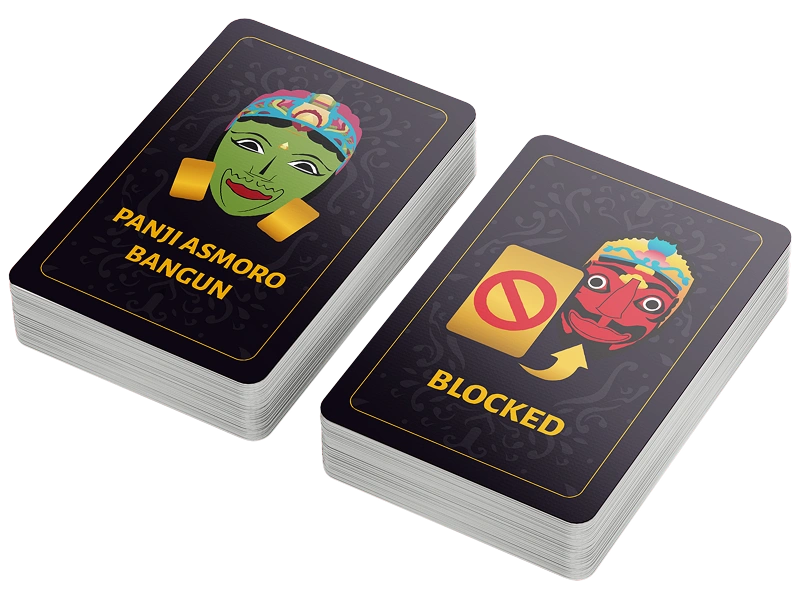
Blocked Card
- A powerful defense mechanism
- When someone asks you for a card, reveal this card to immediately cancel their turn
- They do not get the card they asked for, and play passes to the next player
- Adds tension and surprise, especially in close games
This card encourages psychological play—should you hold it visibly as a threat, or keep it secret for a dramatic reveal?
Switch All Card
- When played, all players must pass their entire hand to the left or right (clockwise or counterclockwise)
- Can be used at any time during your turn
- Disrupts progress and resets the flow of the game
Use this card with caution. While it can prevent someone else from winning, it may also give away your nearly completed quartet. It’s best deployed when multiple players are close to finishing a set.
These special cards not only increase replayability, but also allow players to develop different styles of strategy—whether aggressive, defensive, or unpredictable.
Tips & Strategies for Winning LADUB
Master the art of LADUB by combining smart tactics with cultural intuition. While luck plays its part, skillful observation and clever moves often determine who wins the journey through stories and destinations. Here are essential strategies to help you outplay your opponents and maximize your storytelling advantage.
Track Player Patterns
Careful observation is key. Pay close attention to which cards your opponents ask for during their turns. If someone frequently asks for Temple or Culinary cards, it’s likely they’re building that quartet. Use this knowledge to predict their next moves, avoid helping them, or strategically block their progress using special cards like the Blocked Card. Example:
If Player A just asked for “Budug Asu” and later “Bromo Mountain,” you can infer they’re targeting the Hiking Spot set. That’s your signal to either avoid giving up your own Hiking Spot cards—or prepare a Panji Asmoro Bangun (Joker) move to beat them to the set.
Master the Art of Bluffing
Deception isn’t cheating—it’s strategy. Occasionally ask for cards in categories you’re not actually collecting. This misleads opponents into believing you’re after something else. It protects your real target and prevents others from realizing how close you are to completing a quartet.
For example, if you’re collecting the Urban Heritage set, occasionally ask about Traditional Dance to throw others off. This subtle misdirection can buy you time and control over the game’s pace.
Manage Information Carefully
Information is power. Avoid revealing your hand too soon by shouting for joy when you get the card you need or visibly reacting when asked for a key card. Keep your quartet progress subtle until you’re ready to declare. The less others know, the more control you maintain over the game’s flow.
Remember, quiet players often win because they give away the least.
Adapt Based on Group Size
Your strategy should shift depending on how many players are at the table. In larger groups (4–6 players), competition for each category is tighter. Focus on completing one set at a time instead of spreading your efforts thin. Prioritize securing categories with cards you already hold multiple of.
In smaller groups (2–3 players), you can afford to take more risks. Keep close tabs on every move, and use the Switch All Card carefully—it can completely shift the advantage if timed right.
Bonus Tip: Balance Fun and Focus
LADUB is not just about winning—it’s about the stories you create and the culture you celebrate. Share personal experiences during Story Mode. Impress the group with what you know about Malang. Let the game be a journey as much as a challenge.
Card Categories Overview
Each card category in LADUB is based on real tourism and cultural assets in Malang Raya. Here’s a quick overview of all 9 main categories and their contents:
Recreational Park
– Museum Angkut
– Jatim Park
– Batu Secret Zoo
– Batu Night Spectacular
These family-friendly destinations combine education, adventure, and creativity.
Hiking Spot
– Bromo Mountain
– Budug Asu
– Bukit Kunir
– Panderman Mountain
Popular among adventurers, these mountains offer incredible views and hiking experiences.
Temple
– Singosari Temple
– Kidal Temple
– Badut Temple
– Sumberawan Temple
These ancient temples reflect the region’s Hindu-Buddhist past and cultural legacy.
Educational Value and Classroom Use
LADUB is also designed for educational settings, allowing students to:
- Practice critical thinking and decision-making.
- Learn geography, history, and cultural diversity.
- Improve English or Bahasa vocabulary through bilingual content.
- Enhance storytelling and communication through Story Mode.
Teachers can integrate LADUB into lesson plans, field trip reflections, or as ice-breakers in cultural workshops. You can even assign students to create their own cards based on research!
Urban Heritage
– Kayutangan Heritage
– Monumen Tugu
– Jodipan
– Pentungan Sari
From colorful kampungs to Dutch-style streets, these spots represent Malang’s evolving identity.
Malang Souvenir
– Tempeh Chips
– Malangan Batik
– Malangan Mask
– Apple Chips
Unique souvenirs representing local flavors and traditional crafts.
Beach
– Balekambang Beach
– Sendiki Beach
– Three Colors Beach
– Ngliyep Beach
The southern coast of Malang features hidden beaches perfect for nature lovers.
Traditional Dance
– Beskalan Putri Dance
– Bantengan Dance
– Grebeg Sabrang Mask Dance
– Bapangan Mask Dance
Cultural performances that reflect Malang’s folklore and ritual arts.
Malang Transportation
– Angkot
– Macito Bus
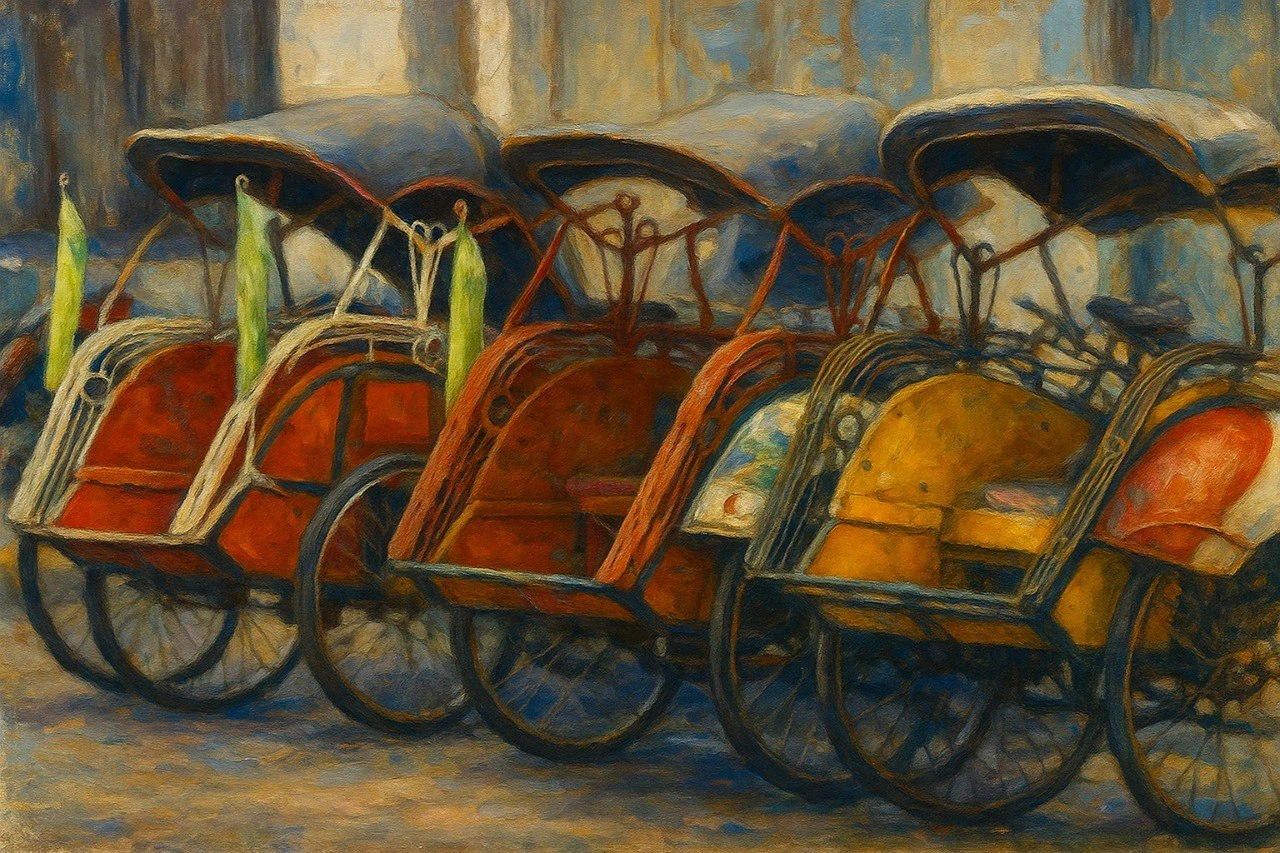
– Rickshaw
– Ojek Online
Everyday transportation that brings character and practicality to city life.
Culinary
– Bakso Malang
– Rawon
– Pecel
– Orem-Orem
Iconic local dishes you must try when visiting Malang.
Tourism Promotion and Local Impact
More than a game, LADUB is a tool to promote sustainable tourism and increase awareness of local attractions—especially those that are lesser-known. Through gameplay, LADUB aims to:
- Highlight Malang’s authentic experiences.
- Encourage exploration beyond mainstream tourism.
Support local artisans and communities represented in the cards.
Why LADUB is Different
Unlike conventional card games, LADUB combines:
- Real locations and cultural icons.
- Dynamic gameplay and storytelling.
- Educational integration and family-friendly design.
Strategic play with a personal, emotional touch.You don’t just play to win—you play to connect, to reflect, and to celebrate identity.
Closing: Begin Your Journey
So, are you ready to depart (budal)?
Pick up your cards. Learn. Share. Strategize. And most importantly—enjoy the stories behind every landmark, dish, dance, and souvenir. Because in LADUB, the real reward isn’t just victory—it’s the journey, the memory, and the shared experience.
- Real locations and cultural icons.
Recreational Park
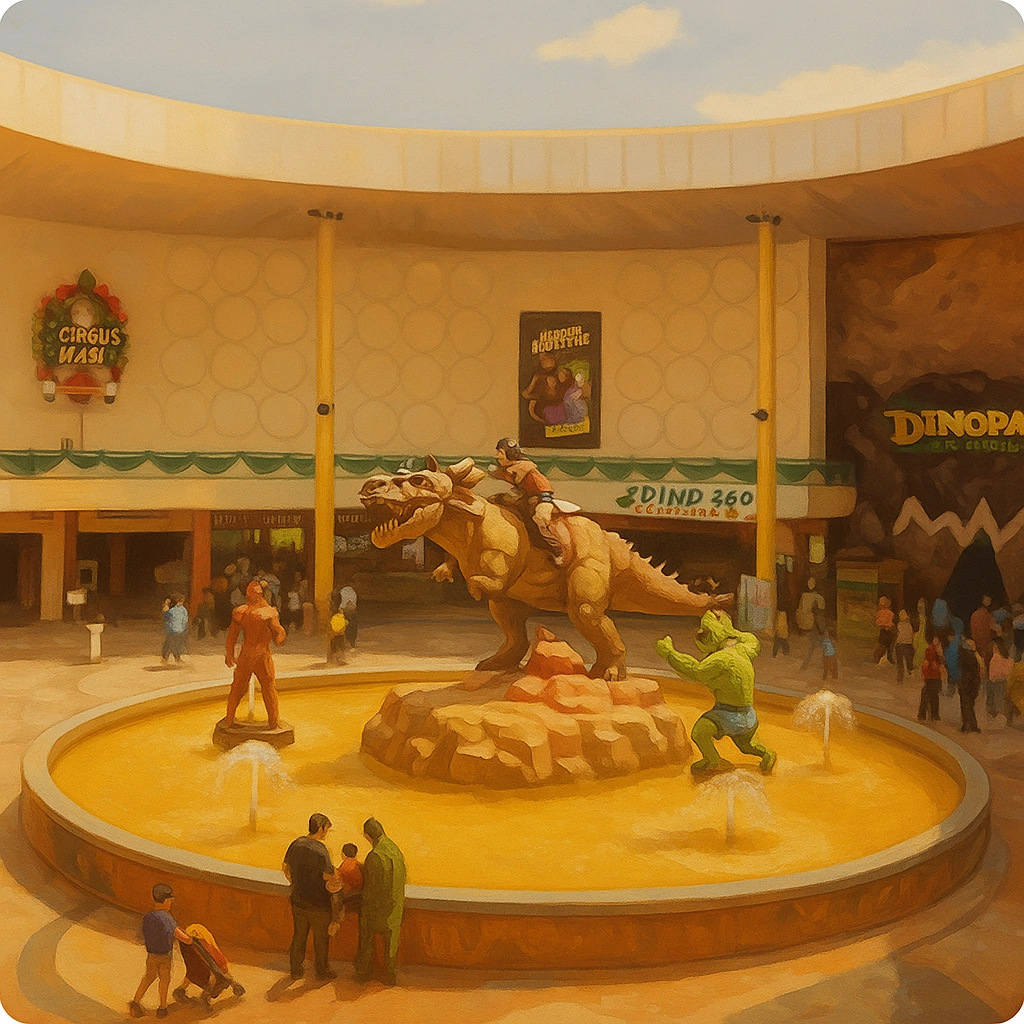
Recreational Park is a popular family entertainment venue in Malang Raya. It features a variety of educational rides, a modern zoo, a playground, and spectacular night shows. It is suitable for all ages, from children to adults. In addition, this area is also designed to combine elements of education and recreation so that tourists can enjoy a fun vacation while adding insight. Destinations such as Jatim Park, Museum Angkut, and Batu Secret Zoo become tourism icons that introduce the richness of culture, science, and natural beauty in an interactive and interesting way for local and foreign tourists.
Urban Heritage
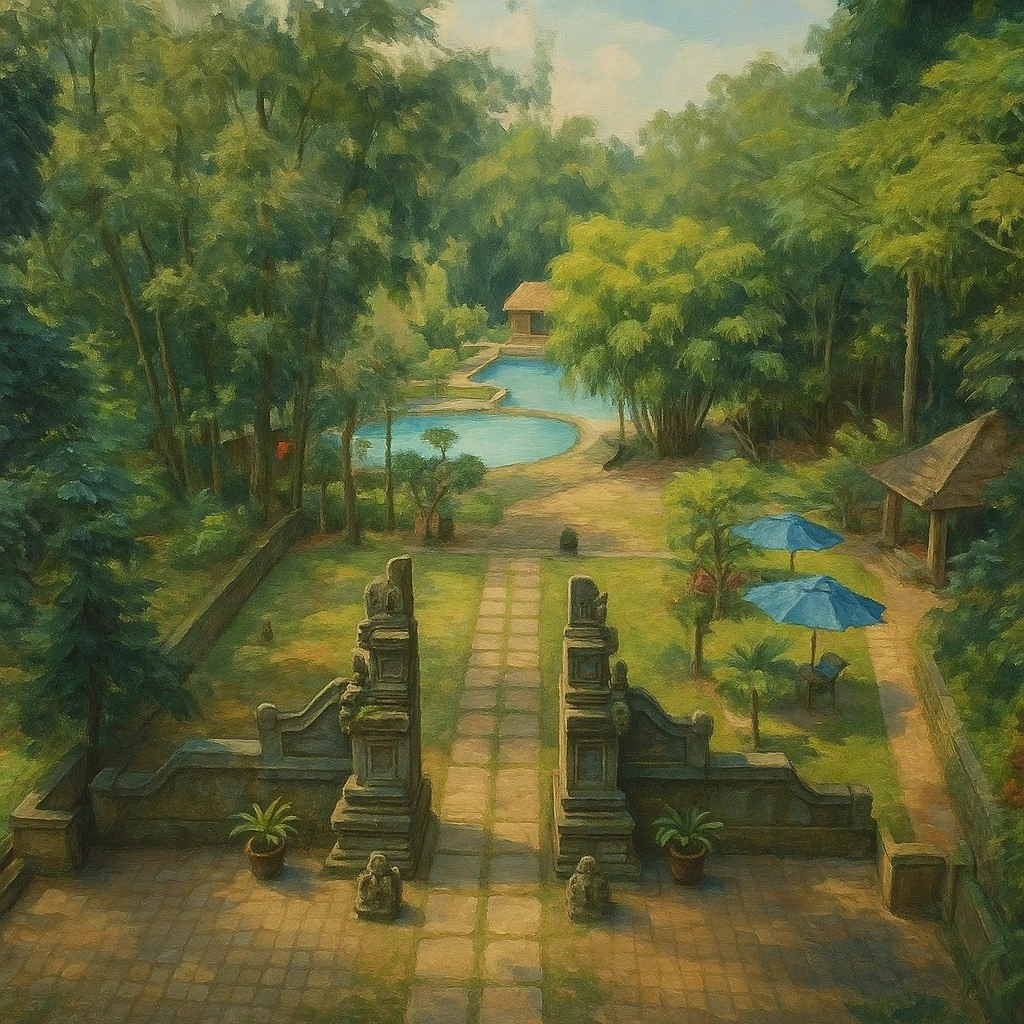
Urban Heritage showcases the diverse historical and cultural side of Malang. In this category, you will find iconic areas such as Kampung Warna-Warni Jodipan, Kayutangan Heritage Street, and Tugu Kota Malang. These locations represent a blend of colonial history and modern urban development. Visitors can feel the atmosphere of the past through old architecture, colorful murals, and lingering folklore. This place is not only interesting to photograph, but also deepens tourists’ understanding of Malang’s identity as a cultural city that continues to develop while maintaining its historical value.
Hiking Spot
Hiking Spot presents the captivating natural beauty of the mountains and the fresh air typical of Malang’s highlands. Places like Mount Panderman, Mount Bromo, Bukit Kunir and Budug Asu offer hiking trails suitable for beginners and experienced hikers. In addition to the physical challenges, tourists will be treated to panoramic views of the sunrise, shady trees, and a light mist that creates a magical atmosphere. This hiking location is also a place for self-reflection and escape from the hustle and bustle of the city. For nature lovers, this category provides an outdoor experience that blends with nature and refreshes the soul.

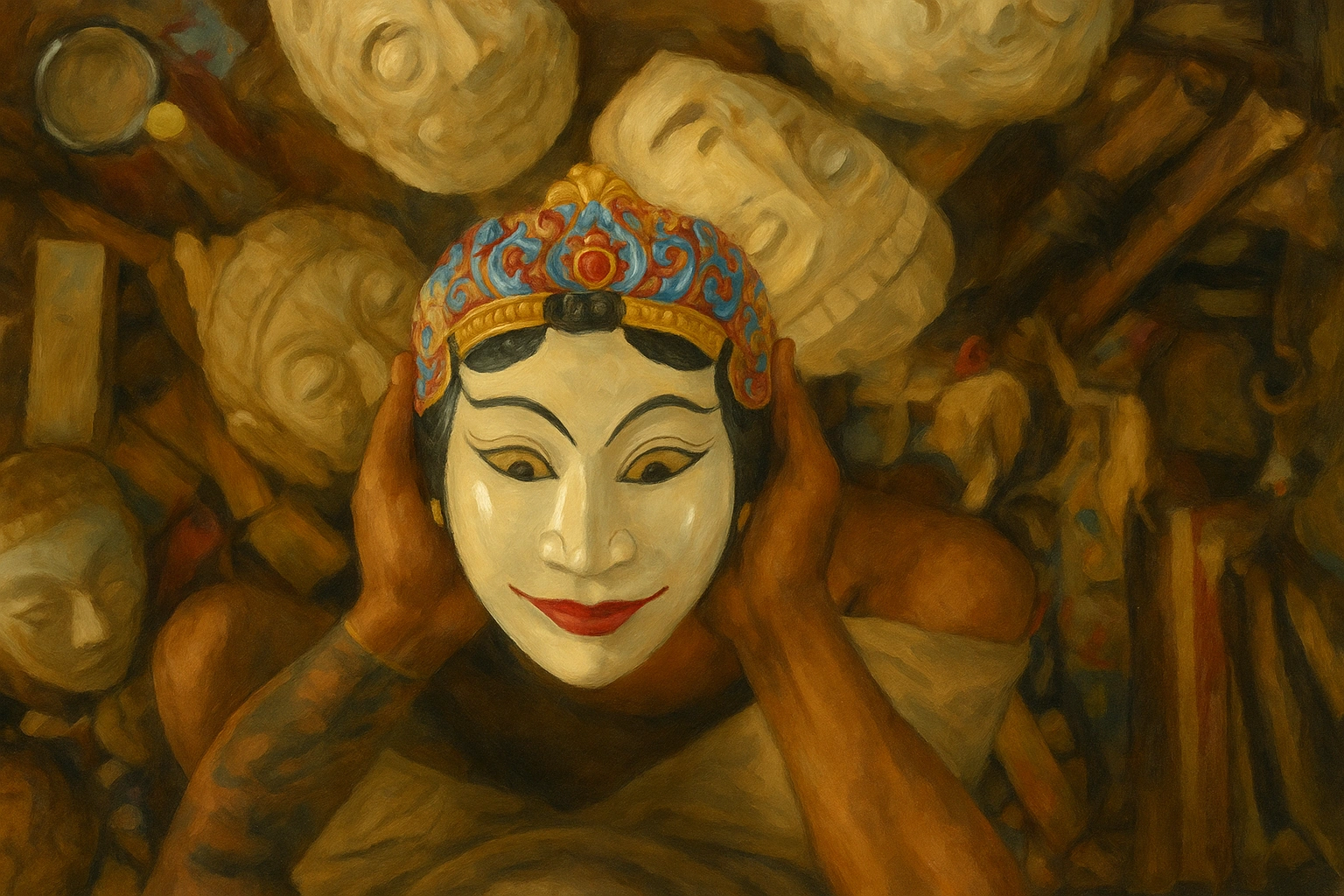
Malang Souvenirs
This category features a variety of unique and authentic Malang souvenirs. From dried apples and tempeh chips to Malangan batik and traditional masks, all products reflect the richness of the local culture. These souvenirs are not only attractive gifts for the family back home, but also a reflection of the city’s identity. These products are available in many souvenir centers and are often made by local artisans. Apart from being a keepsake, souvenirs typical of Malang are also a way of supporting the MSME economy. Through this card, players are introduced to a wealth of specialty products that strengthen Malang’s image as a creative and cultural city.
Temple
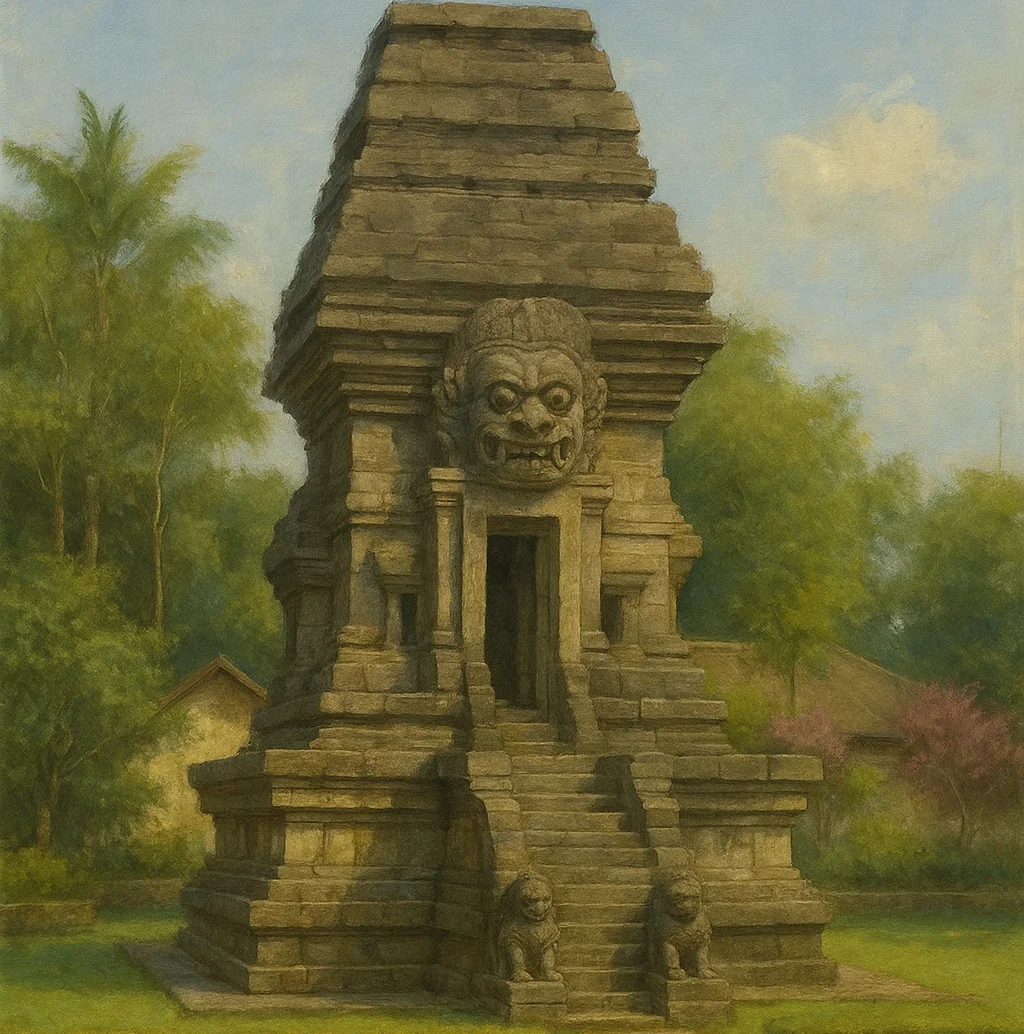
The Temple category introduces historical relics in the form of ancient temples in Malang Raya. Some of them are Singosari Temple, Kidal Temple, Badut Temple, and Sumberawan Temple. Each temple has a distinctive story and architecture of past royal heritage, reflecting the spirituality, beliefs, and glory of East Javanese civilization. This location is an important destination for lovers of historical and cultural tourism. With a mystical and calm atmosphere, tourists can enjoy the tranquility while learning history directly from the reliefs and building structures. This category invites players to appreciate the ancestral heritage that still stands majestically today.
Beach
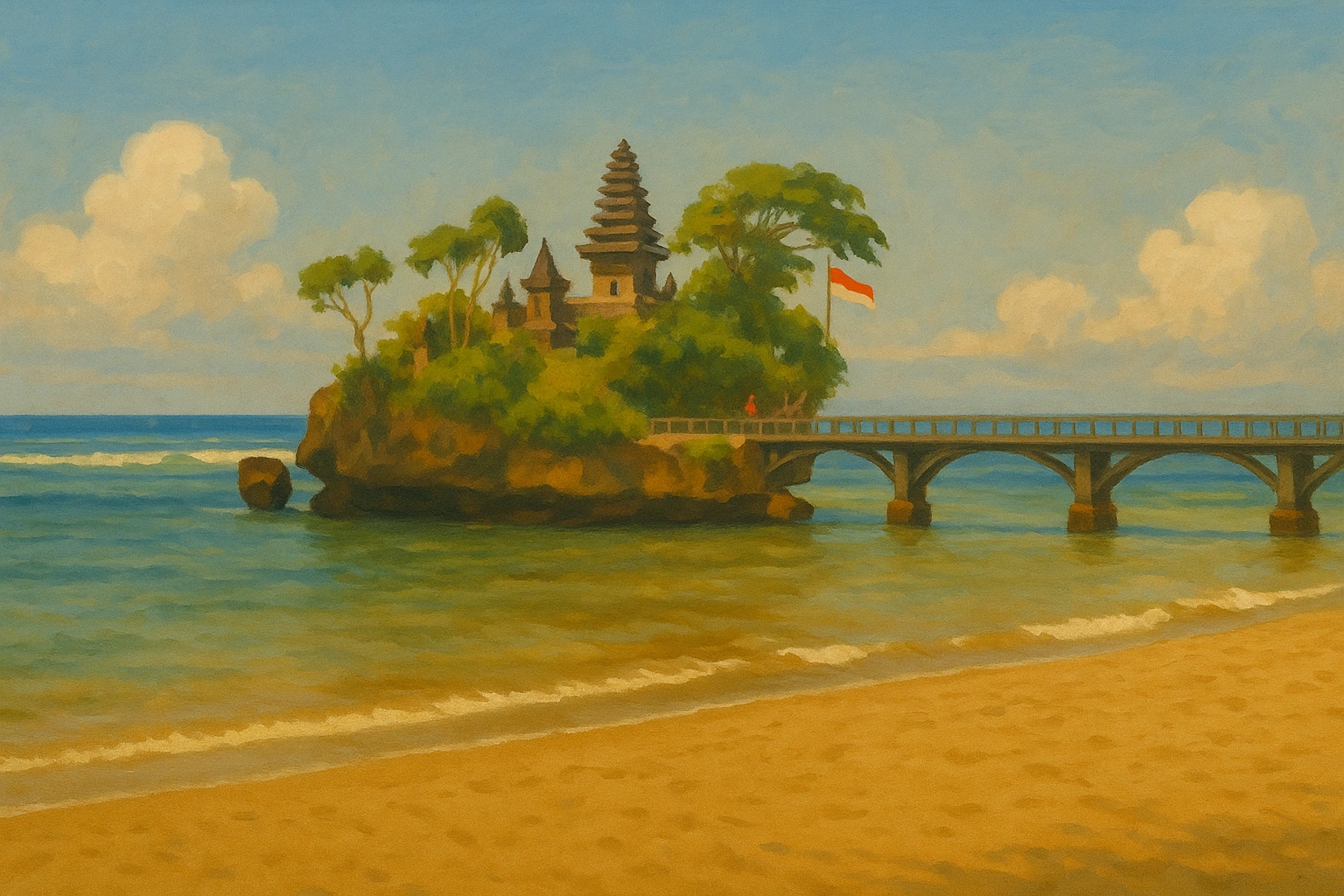
Kategori Beach mengajak pemain mengeksplorasi keindahan garis pantai selatan Malang yang eksotis dan masih alami. Pantai seperti Balekambang, Sendiki, Tiga Warna, dan Ngliyep terkenal dengan pasir putih, ombak tenang, dan tebing karang yang memukau. Beberapa lokasi juga menjadi tempat snorkeling atau camping yang aman dan nyaman. Pantai-pantai ini menawarkan suasana tenang, cocok untuk menikmati matahari terbenam atau berlibur bersama keluarga dan teman. Tak hanya itu, beberapa pantai juga memiliki cerita mitos dan budaya lokal yang menambah daya tariknya. Kategori ini memperkenalkan pesona bahari Malang yang belum banyak diketahui.
Traditional Dance
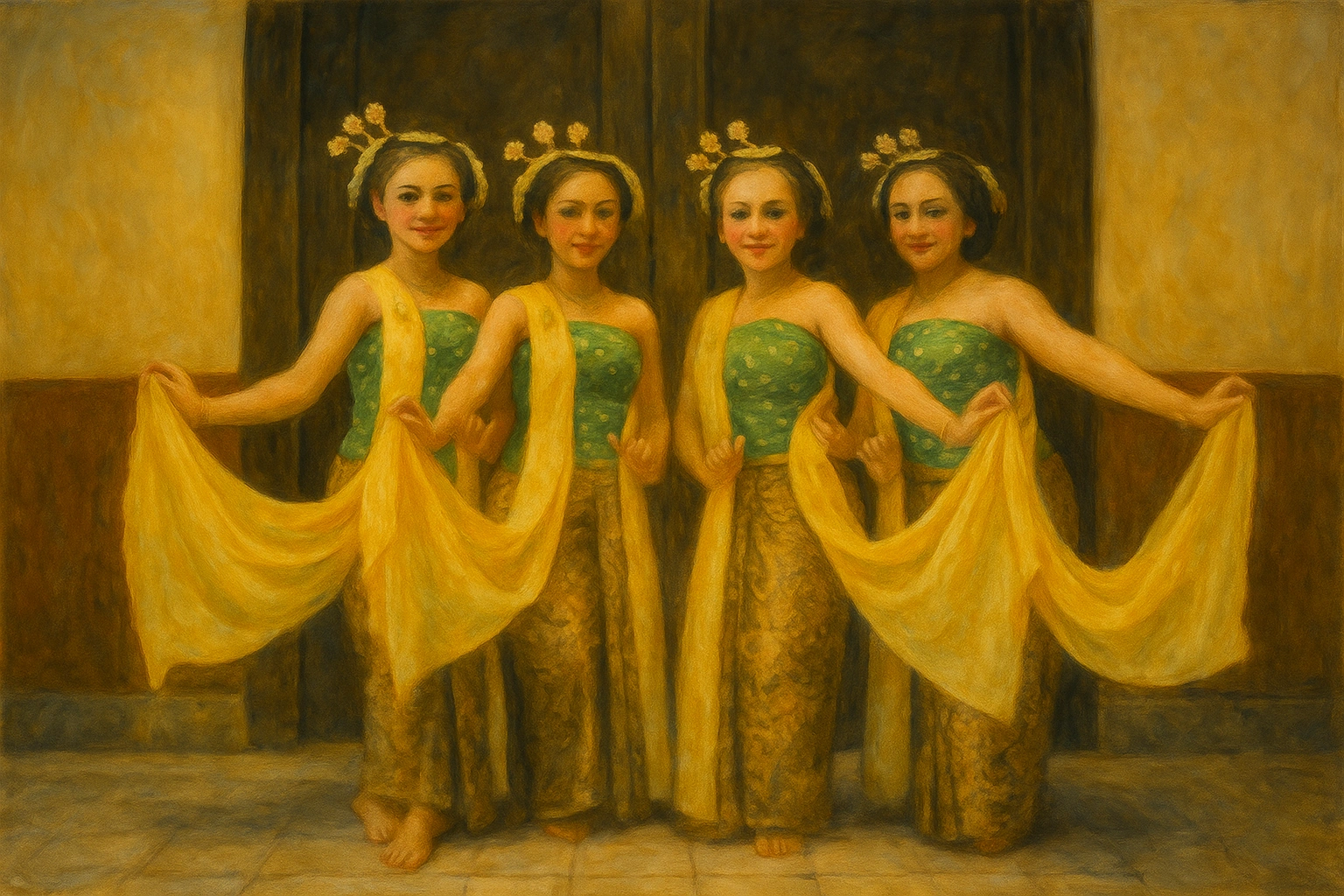
This category displays the richness of Malang’s traditional dance arts which are full of philosophical and symbolic values. Dances such as Grebeg Sabrang, Bantengan, Beskalan Putri, and Bapang Mask Dance are not only attractions, but also a form of preserving local culture. Every movement in the dance reflects folklore, traditional rituals and the spirit of the local community. Performed at cultural festivals or traditional events, this dance is a special attraction for tourists. Through this card, players can get to know Malang’s performing arts more closely which combines elements of music, unique costumes and captivating local narratives.
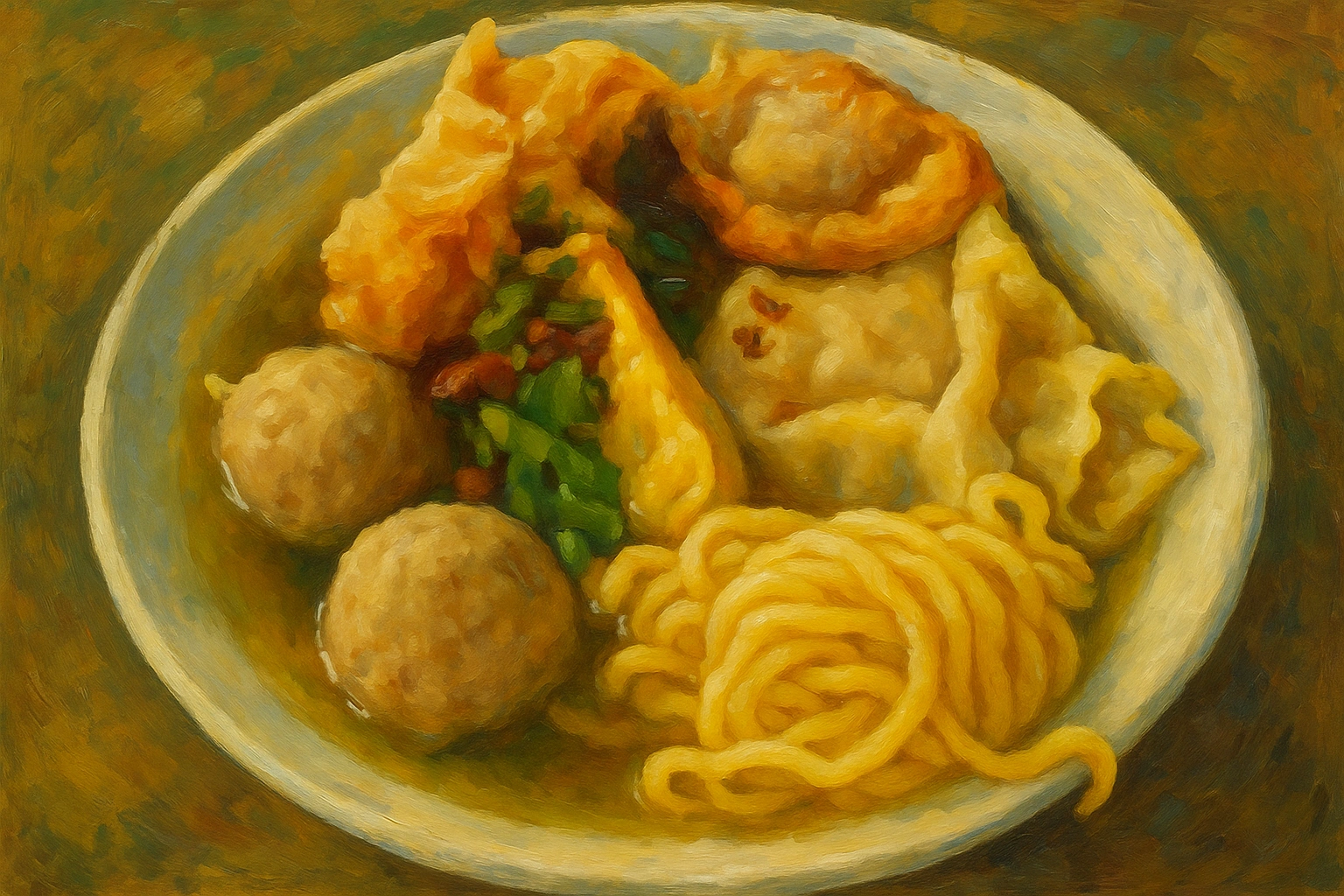
Culinary
Malang’s culinary specialties are a haven for traditional food lovers. This category features legendary dishes like Bakso Malang, Rawon, Pecel, and Orem-Orem. Each dish boasts a distinctive, strong flavor, blended with authentic spices. These dishes can be found everywhere from street food stalls to renowned restaurants in Malang. Besides being filling, these dishes also reflect the lifestyle and culture of the East Javanese people. Culinary tourism is a key activity for tourists seeking local delights. This card invites players to explore the rich flavors inherent in the city’s identity.
Malang Transportation
Transportasi lokal di Malang memiliki peran penting dalam mendukung aktivitas wisata. Dalam kategori ini, pemain akan mengenal berbagai moda transportasi seperti angkot, becak, ojek online, dan Macito (bus wisata kota Malang). Masing-masing memiliki keunikan tersendiri dalam mengantarkan penumpang menjelajahi kota. Selain praktis, alat transportasi ini juga menjadi bagian dari pengalaman autentik saat mengunjungi Malang. Misalnya, Macito dirancang khusus untuk wisata keliling kota dengan gaya klasik. Kategori ini memperkenalkan warna-warni mobilitas perkotaan yang ramah dan mudah diakses, menciptakan kesan yang menyenangkan bagi pelancong lokal maupun mancanegara.